
-
 Written by Ruban Selvanayagam
Ruban Selvanayagam
Written by Ruban Selvanayagam
Ruban Selvanayagam
Ruban Selvanayagam is a professional cash homebuyer, private rented sector landlord, auction specialist, blogger and media commentator.
-
 Edited by James Durr
James Durr
Edited by James Durr
James Durr
James Durr is a passionate property entrepreneur with a strong foundation and background in business.

What is Non-Standard Construction?
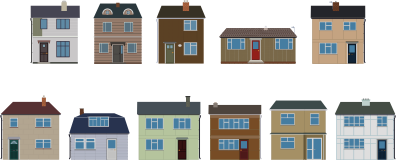
Non-standard construction refers to properties built using materials and methods that differ from traditional construction practices.
“Standard” construction would normally include walls made of bricks (and mortar) or stone alongside tile or slate roofs.
“Non-standard” construction houses are many and varied – but would include a property built with concrete, timber or using steel frames.
Figures differ, as some have certain aspects that are “part” non-standard, but there could be up to 2 million such properties across the UK.
Many were built in the first half of the twentieth century – especially in the post-war period, where there was a vital need to rebuild communities.
Prefabricated construction, for instance, was thought to be a quick and relatively simple way to deal with the housing shortage. However, it was then realised that the quality was not good enough, particularly as many of the houses began to deteriorate faster than they should.
With some of the systems only intended to be temporary, as time went on, many of the houses were not demolished and eventually classed as defective under the Housing Defects Act of 1984.
How to Tell if a House is Non-Standard Construction
Whilst the Building Research Establishment has over 500 registered systems, there are some general rules to determine if a property is non-standard construction – mainly by examining its materials, methods and structure.
Even with 20 years of experience in the buying + selling properties, the team at Property Solvers are sometimes fooled properties that appear standard at face value. Indeed, non-standard construction can be externally indistinguishable from traditional housing.
Walls

Standard homes are made of brick or stone walls, whereas non-standard ones may feature concrete panels, timber frames or steel-framed walls. Older non-standard homes also might have wattle + daub or cob.
Roof

A slate or tiled roof indicates standard construction, while flat or thatched roofs are commonly seen with non-standard homes.
Age

There are more traditional properties, such as timber-framed or cob cottages – built before the 20th century – that are classed as non-standard.
Then, after the 1st and 2nd World Wars, many properties built with concrete blocks or prefabricated designs also ended up being classed in the same way.
Material Information (on Property Listings)
Before listing a home for sale, estate agents and auctioneers are legally required by Trading Standards to disclose key information such as whether a property is non-standard.
Local Insights

If the property is not on the market, it can be worth speaking with residents in the neighbourhood if you’re unsure. There are also certain parts of the country where there are heavier concentrations of non-standard construction homes.
Mortgage and Insurance

As mentioned above, non-standard homes can be hard (if not impossible) to finance, often requiring a larger deposit and higher interest pay rates. Mortgage and insurance brokers often have access to large datasets that pinpoint where these properties are located.
Surveys
A structural survey or property deeds may reveal non-standard materials or construction types like steel frames or timber frames. However, it’s worth checking the above before spending money.
Types of Non Standard Construction Houses
Non-standard construction includes everything from post-war concrete systems and historic timber frames to modern modular designs and alternative eco-builds.
Each carries its own characteristics and potential issues, many of which can affect durability, mortgageability, insurance and resale.
Concrete Construction
Concrete homes surged in popularity during the mid-20th century as a fast, low-cost way to meet housing demand. Many remain solid, but this method carries inherent risks – particularly where precast elements rely on joints that may “decay” over time.
Older manufacturing processes also tend to have higher embedded carbon than traditional brick builds.
Reinforced concrete adds steel for strength, but corrosion can occur if moisture reaches the reinforcement. As the steel rusts and expands – often called “concrete cancer” – the surrounding concrete can crack or weaken, potentially leading to broader structural issues if not properly assessed and managed.
Below are some of the most commonly encountered concrete-based non-standard construction types across the UK, along with the typical locations where they appear and the defects surveyors most often report.
Woolaway
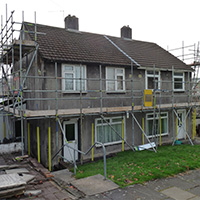
Often seen in rural areas and South West England, with common issues including failing concrete posts and deteriorating panel connections.
Cornish Unit (Type 1 & 2)
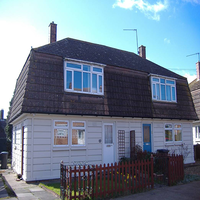
Widespread in the South West, Midlands and Wales, with typical defects involving cracking around joints and ageing concrete frames.
Airey
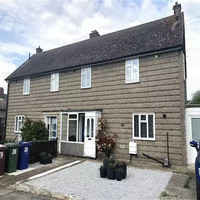
Found nationwide on post-war estates, frequently affected by corrosion of the steel stanchions (upright bars or posts used for support) encased within the concrete columns.
Wates
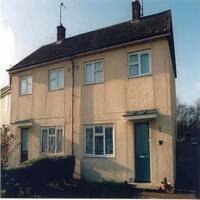
Common across large council-built estates across the UK, where panel movement and joint deterioration are often the primary concerns.
Unity / Butterley
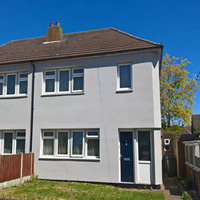
Regularly encountered in Midlands and Northern towns, with issues usually linked to frame corrosion and concrete spalling.
Reema Hollow Panel
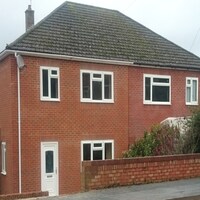
Concentrated in New Towns and post-war developments, showing recurring problems with hollow panel cracking and moisture ingress.
Winget
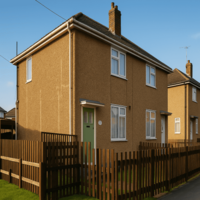
Seen mainly in ex-local authority housing, where heavy concrete panels may suffer from cracking and reinforcement decay.
Dorran
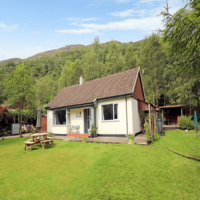
Most prevalent in Scotland and the North of England, with defects typically involving panel separation and reinforcement corrosion.
Orlit
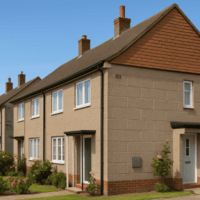
Found in various post-war suburbs, often affected by settlement at joints and deterioration of the main concrete frame.
Tarran-Newland
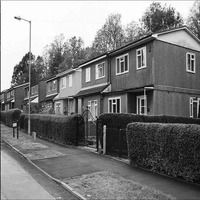
Present on certain council estates, with lightweight concrete units prone to weathering and panel weakness over time.
Stonecrete
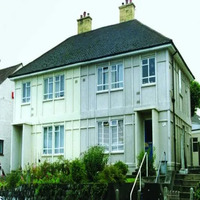
Encountered in smaller pockets around the UK, with ageing blocks sometimes showing cracking, porosity and surface erosion.
Boot Pier & Panel
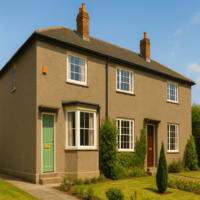
Less common nationally. Where found, these may exhibit defects such as pier movement (vertical or horizontals shifting) and panel connection failure.
Less commonly seen today are systems such as Myton, Schindler & Hawksley SGS, Wessex, Stent, Stour, Gregory, Dyke, Hamish Cross, Underdown and Waller, which tend to appear only in isolated pockets or in very small surviving numbers.
Timber Frame Construction
Timber framing broadly falls into historic and modern forms, each with distinct risks. Older timber-framed homes often feature exposed beams, but long-term moisture can lead to rot and decay – and poor past repairs can worsen structural weakness.
Modern timber frames are lightweight, eco-friendly and fast to build, yet some lenders still view them cautiously due to concerns around durability, moisture-related rot, lower tensile strength and weaker sound or vapour performance when technical specifications (detailing) or maintenance falls short.
Here are 9 examples of timber-frame construction types you may encounter across the UK. Each has its own characteristics, locations and potential defects to look out for, particularly around moisture, movement and long-term durability.
Tudor Box Framing
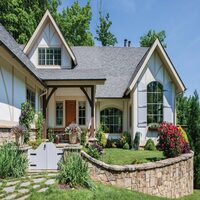
Common across the Midlands and South East, often showing movement, timber decay and joint failure where moisture has penetrated over time.
Cruck Frames
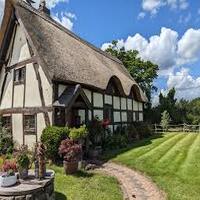
Mostly found in rural medieval buildings, with defects typically involving rot at the base of the blades and distortion from long-term settlement.
Queen Post And King Post Trusses
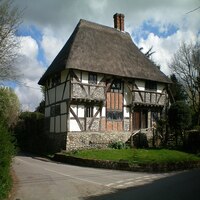
Seen in older roofs nationwide, where decay at junctions and historic movement in the main truss members are frequently reported.
Wealden Hall House Structures
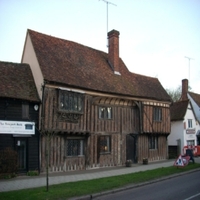
Concentrated in Kent, Sussex and Surrey, with risks including rot in sole plates and distortion of the exposed timber frame.
Platform Framing
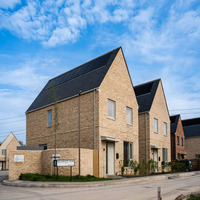
Widely used in modern UK housing, though moisture ingress and poor detailing at junctions can lead to localised frame decay.
Balloon Framing
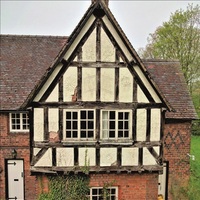
Mainly encountered in older timber-built homes, with issues often relating to fire spread risk, wall movement and ageing timber studs.
Timber Kit Homes (Potton, Scandia Hus, Baufritz)
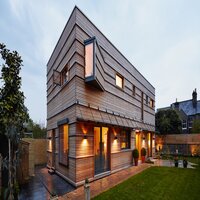
Found across suburban and rural plots, where lender concerns typically centre on moisture control, detailing and long-term durability.
SIPs (Structural Insulated Panels)
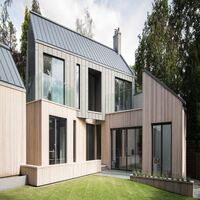
Used in modern energy-efficient builds, with common defects involving poor vapour control and moisture reaching the panel cores.
Glulam Frame Systems
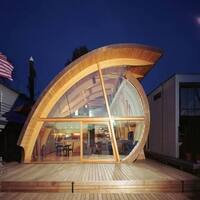
Increasingly used in contemporary architecture, though exposed members may suffer weathering, delamination (layer separation) and moisture-related decay without proper protection.
Steel Frame Construction
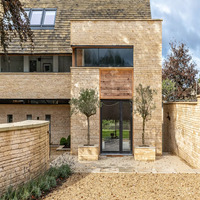
Introduced as a quicker and more durable alternative to traditional construction methods, steel-framed systems can still corrode where protection fails – a problem that may lead to loss of strength and structural instability.
Steel also conducts heat and offers lower fire resistance, often requiring more frequent maintenance than other forms of construction.
Below are the most prominent steel-frame construction types most commonly encountered across the UK:
BISF (British Iron & Steel Federation)
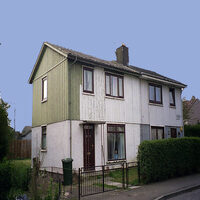
Found nationwide, especially in ex-local authority estates, with typical issues involving corrosion of the steel stanchions and weaknesses where protective coatings have deteriorated.
Trusteel 3M / Trusteel MKII
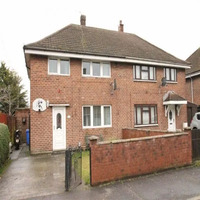
Widespread across England and Wales, where surveyors often note frame corrosion at junctions, ageing cladding systems and detailing weaknesses in early designs.
Atholl Steel Frame
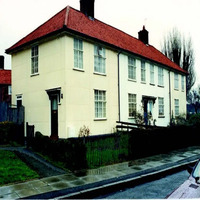
Most prevalent in Scotland and Northern England, this type commonly exhibits corrosion at the frame base, poor cavity detailing, and movement where moisture has reached the steelwork.
Less frequently seen today are systems such as Howard, Tarran-Steel, Wheatley, Foamslag, Orlit-Steel hybrids and various prefab steel-clad units, which tend to appear only in isolated pockets or in much smaller surviving numbers.
Modular or “Prefabricated” Construction
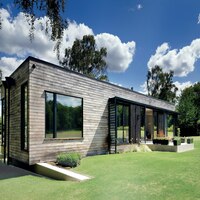
Modular homes are factory-built units – or “modules” – that are manufactured off-site, transported and then assembled on the plot. These systems can be made from steel, timber or hybrid materials and are often promoted for their speed of construction, consistency and strong energy performance.
However, older modular designs can suffer from durability issues and limited technical oversight. Newer Modern Method of Construction (MMC) systems offer far better engineering and consistency, but many have not yet stood the test of time, leaving questions around long-term performance and maintenance.
Here are some of the most commonly referenced prefabricated and modular systems, moving from older post-war designs to modern MMC approaches.
Arcon Prefabs
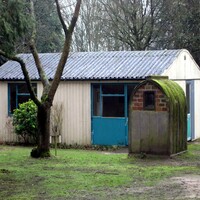
Steel-framed with asbestos cement cladding – widespread corrosion, asbestos content and poor thermal performance make them high-risk.
AIROH (Aluminium Prefabs)
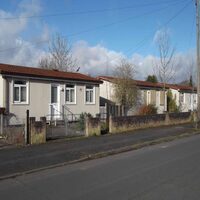
Lightweight aluminium corrodes, distorts and dents easily. Joints between panels deteriorate and long-term durability is poor.
Uni-Seco Prefabs
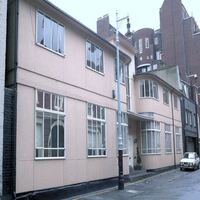
Timber-panel systems that commonly suffer rot, infestation and structural movement.
Tarran Prefabs
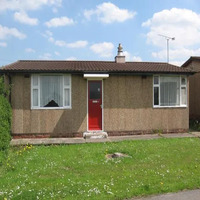
Lightweight timber or composite panels prone to moisture ingress, decay and frame failure – typically classed as unmortgageable unless rebuilt.
BL8 and BL9 Prefabs
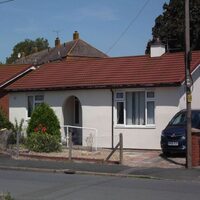
Early concrete/steel hybrid systems with significant long-term degradation – again, widely considered high-risk.
Ilke Homes
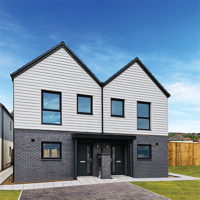
Factory-built volumetric modules using precision-engineered steel frames, known for strong energy performance and consistent quality before the company’s 2023 administration.
TopHat
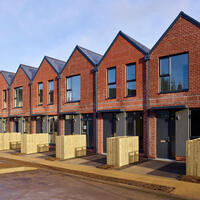
A highly engineered modular system using steel or hybrid frames, designed for exceptional thermal efficiency, airtightness and architectural flexibility.
Vision Modular (Liteframe / Tide Construction)
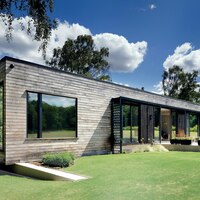
A well-established volumetric steel-frame approach used in mid-rise and high-rise schemes, recognised for robust engineering and consistent off-site manufacturing standards.
L&G Modular Homes
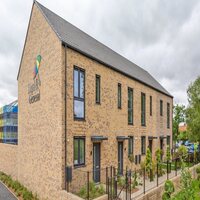
Timber-based modular units produced under controlled factory conditions, offering uniform build quality and strong sustainability credentials before the division closed in 2023.
Urban Splash (House / Modular Range)
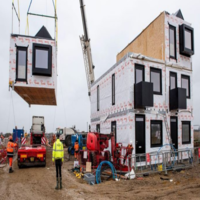
Contemporary modular homes built around timber or hybrid panel systems, known for design-led layouts, high insulation levels and a modern architectural aesthetic.
Other less common prefab types that also present major lending risks include certain Wheatley, Foamslag, Alcrete, Nissen/Quonset and various wartime temporary prefabs, all of which typically fall into the unmortgageable category due to severe ageing and structural unreliability.
Thatched Roof Homes

Thatched properties use densely packed straw or reeds to form a roof that offers impressive natural insulation and a distinctive appeal, especially in rural areas. When maintained well, thatch can be durable, breathable and effective at regulating temperature.
However, these roofs require specialist upkeep, with periodic re-ridging and eventual replacement of the thatch layer. They are also more vulnerable to fire, vermin and moisture-related deterioration, which can increase insurance premiums and ongoing maintenance costs.
Cob and Earth Construction
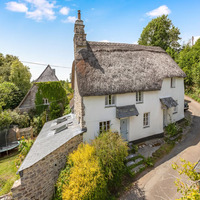
Cob homes are built using a mixture of earth, straw and clay, creating thick walls that offer strong thermal mass and a naturally sustainable method of construction. This approach is common in older rural cottages across the South West and parts of Wales.
Despite its strengths, cob is highly sensitive to moisture. Poor foundations, ineffective roof overhangs or cement-based repairs can trap water within the walls, leading to structural softening and eventual failure. Ongoing maintenance and specialist knowledge are often required.
Wattle and Daub
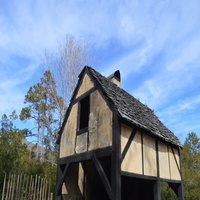
Wattle and daub construction uses a woven timber lattice filled with clay, earth and straw, forming part of some of the oldest surviving domestic buildings in England. These structures provide historic character and remain an important part of the UK’s architectural heritage.
Over time, the infill can crack, crumble or detach, especially if exposed to moisture or poorly repaired using incompatible modern materials. Preservation typically requires specialist craftsmen and sensitive conservation techniques to maintain structural integrity.
Flat-Roofed Properties
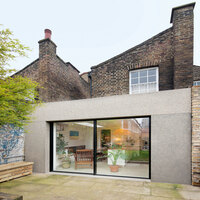
Flat roofs became popular in mid-century and modernist housing, offering clean architectural lines and efficient use of space. When built with high-quality membranes and adequate drainage, they can perform well for many years.
Nevertheless, flat roofs are more exposed to pooling water, membrane failures and thermal movement. Poor workmanship around joints, parapets and drainage outlets can lead to leaks and insulation issues, making regular inspection and timely repairs essential.
Construction with Asbestos Use
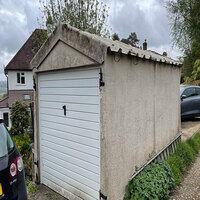
Asbestos was widely used throughout the 20th century in roofing sheets, insulation boards, floor tiles and pipe lagging due to its fire resistance and durability. Many older homes still contain asbestos in various forms, often safely encapsulated.
The key risk arises when asbestos is disturbed, damaged or deteriorating, releasing fibres that pose significant health hazards. Remedial work typically requires licensed specialists.
Disposal can also be costly, adding practical and financial considerations for homeowners.
Straw Bale Construction
Straw bale homes use tightly compressed bales as structural or infill wall components, delivering excellent insulation and a low-carbon construction method. When combined with breathable renders and good detailing, these homes can perform very efficiently.However, they remain unconventional in the UK housing market and depend heavily on workmanship quality. Poor moisture detailing, inadequate foundations or incorrect rendering can lead to damp problems and structural instability.
Earthships
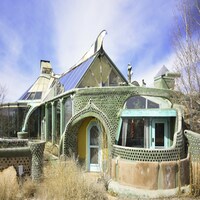
Earthships are eco-focused homes built using recycled materials such as tyres, bottles and rammed earth, often designed to be entirely self-sufficient. They prioritise passive heating, natural cooling and integrated water and energy systems.
Despite their sustainability credentials, Earthships sit far outside mainstream UK building practices and regulatory frameworks. Quality varies widely between projects, and their unconventional materials and systems can create challenges in valuation, maintenance and resale.
Shipping Container Homes
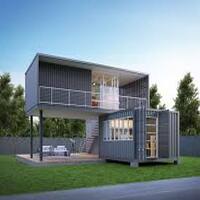
Shipping container homes are created by converting steel freight containers into habitable spaces, offering durability, rapid assembly and a relatively low-impact construction method. When engineered correctly, they can provide a modern, minimalist aesthetic.
Their performance, however, relies heavily on proper insulation, ventilation and structural modification. Condensation, thermal bridging and corrosion are common issues where detailing is poor, and planning or building control approval can be complex due to their unconventional form.
Cladding
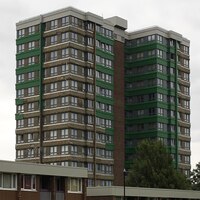
Cladding became a major concern after the 2017 Grenfell tragedy, which revealed serious fire-safety failures in external wall systems across the UK. As a result, lenders, insurers and surveyors now treat cladding as a core risk factor rather than a cosmetic feature.
Under the Building Safety Act 2022, building owners must prove their external walls are safe, often through an EWS1 form or a fire-engineer assessment. Where issues are found, remediation can be costly and time-consuming.
Homes with unresolved cladding concerns can be very hard to mortgage or insure. Sellers also typically need clear, up-to-date documentation to progress a sale smoothly.
Non Standard Construction Mortgages
Mortgage lending works differently for non-standard construction homes because these properties fall outside the traditional bricks and mortar models that lenders are most comfortable with.
Materials such as concrete panels, steel frames, timber frames or post-war prefabricated systems can behave unpredictably over time, and this increases perceived risk.
Lenders want reliable information on durability, resale value and long-term performance. Without that, the loan is harder to justify, which is why many non-standard homes require more documentation or additional surveys.
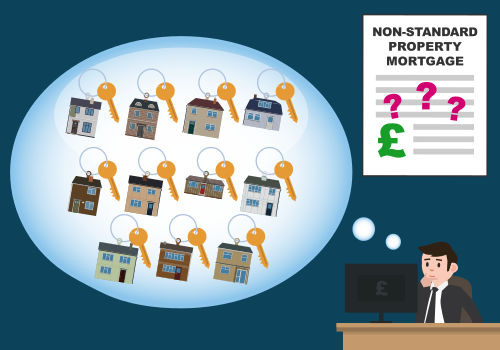
Key concerns for lenders when it comes to non-standard properties include:
- Long-term structural performance
- Corrosion, rot or material degradation
- Difficulty assessing repair costs
- Limited market evidence for resale
- Unknown behaviour of historic or experimental systems
Some banks take a firmer stance than others. Halifax, for example, assesses non-standard properties case by case and places heavy reliance on surveyor commentary and evidence of structural stability.
Santander adopts a similarly cautious approach and may limit lending or decline cases where the construction type is known to be defective or lacks recognised repair schemes.
Buyers should expect additional checks. Many lenders require structural engineer reports, invasive investigations or confirmation that a property has undergone an approved Precast Reinforced Concrete (PRC) repair process where relevant.
Common conditions lenders may impose include:
- Higher deposits (reduced loan-to-value ratios)
- Hight interest rate charges (we’ve seen double the rate of standard mortgages)
- Specialist structural or engineer reports
- Evidence of approved repair schemes (for certain PRC types)
- Confirmation of marketability from the valuer
Working with a broker experienced in non-standard construction can make a significant difference. They will already know which lenders are most comfortable with each construction type and what supporting documentation is needed.
While lending can be more complex, opportunities do exist – particularly for modern MMC systems that come with robust certification, warranties and factory-controlled build standards. As confidence grows in these newer models, financing pathways may well expand.
Non-Standard Construction Home Insurance
Insurance works differently for non-standard properties because the materials involved can introduce unique risks.
Insurers essentially need confidence that the property is safe, repairable and predictable. As a result, premiums may be higher and the underwriting process more detailed.
When assessing non-standard properties, insurers typically look closely at:
- The exact construction type
- Presence of known defects or prior repairs
- Age of the structure and any upgrades
- Fire and moisture risk
- Roof type (thatched, flat, shingle, metal, etc.)
- Evidence of maintenance and periodic inspections
Landlord insurance can be even more expensive, as insurers must account for wear-and-tear from tenants, greater fire risk and the increased likelihood of claims. For landlords, non-standard construction can also affect:
- Premium levels and policy excesses
- Eligibility for certain policy types or add-ons
- Requirements for regular inspections or certifications
- Conditions around vacant periods or tenant profile
Some mainstream insurers avoid these properties entirely, but various specialist providers fill the gap by offering cover tailored to unconventional building types.
Disclosure is critical. If the owner does not accurately describe the construction method or provide reports when requested, the policy may be invalidated in the event of a claim. This is especially important with asbestos, ageing concrete panels or hybrid steel systems.
Insuring a non-standard property is rarely impossible – it simply requires more information, and sometimes a provider that specialises in these types of homes.
Cost of Converting a Non-Standard Construction House
Converting a non-standard construction home into a more conventional, mortgageable property can significantly increase its value, but the process is rarely cheap.
Many of these properties were built with materials that do not meet modern standards, meaning substantial upgrades may be required.
Costs vary depending on the type of system, the condition of the structure and the scale of the required works. Typical conversion projects range from £30,000 to £100,000 – often more in Greater London and the South East.
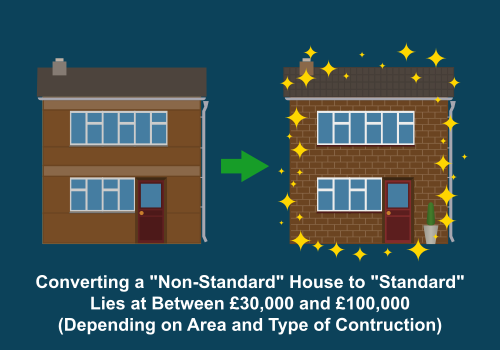
Common works include:
- Installing a new external skin or cladding
- Reinforcing or replacing structural frames
- Removing defective concrete or PRC panels
- Upgrading insulation and overall energy performance
- Replacing flat roofs or failing membranes
- Removing asbestos and associated materials
- Timber treatment or replacement where moisture has penetrated
Professional fees can add 10-20% to the project cost. These may include architects, structural engineers, building control approvals and, in some cases, planning applications.
A thorough inspection is essential before works begin. Once walls and panels are opened up, hidden defects often emerge – especially in older PRC, steel-frame or early timber systems.
Many contractors are also unfamiliar non-standard systems. Combined with ongoing inflationary pressures in materials and skilled trades, this can push the total cost higher than initially expected.
Despite the high upfront investment, conversion can deliver major long-term benefits:
- Improved energy efficiency and comfort
- Increased resale value and market appeal
- Wider mortgageability with mainstream lenders
- Stronger buyer demand and a larger pool of purchasers
- Reduced ongoing maintenance issues
For many homeowners, the cost is justified by the uplift in value and the ability to access the full open market rather than relying solely on cash buyers.
How to Sell Non-Standard Construction Homes
At Property Solvers, we review these homes on a case-by-case basis and can offer guidance on the most commercially sensible route forward.
In most cases, however, we recommend our auction service. Auctions are a natural fit for non-standard construction because buyers in this environment tend to understand construction risk, act quickly and are often cash-funded.
It’s also worth noting that many quick sale companies ultimately trade these properties on at auction themselves, building in a 20-30% gross margin for that risk and resale. By going direct to auction, sellers can retain that value rather than giving it away.
Key advantages of selling a non-standard property through auction include:
- A competitive bidding environment that can drive stronger prices
- Committed buyers with realistic expectations around the risks regarding non standard homes
- No fall-throughs once the hammer comes down (as contracts are exchanged)
- Full transparency through the legal pack meaning buyers know what they’re getting into
- Faster exchange and completion compared with open market (private treaty) sales, not to mention the possibility of pre-auction offers (to get to completion quicker)
- Strong interest from investors, developers and specialist buyers.

In short, selling at auction avoids the uncertainty of private treaty, where buyers may struggle to secure finance or withdraw following a survey.
For sellers who prefer confidentiality or an immediate solution, Property Solvers can also explore a direct purchase.
However, for most non-standard construction properties – particularly those with lending or insurance challenges – auction remains the most reliable and commercially effective route to market.
Frequently Asked Questions
In the 1980s, the Building Research Establishment (BRE) investigated a wide range of post-war non-standard homes and found recurring structural problems in a number of systems. These were formally designated as “defective” under Part XVI of the Housing Act 1985.
Most of the listed types are Precast Reinforced Concrete (PRC) houses – for example Airey, Cornish Units, Unity, Wates, Winget, Reema Hollow Panel and Woolaway – alongside a smaller group of in situ concrete designs such as Boswell and Schindler.
Note that not every non-standard home appears on this list.
Energy performance varies hugely across non-standard construction. Some modern systems – such as well-detailed timber frames, SIPs and accredited modular/MMC homes – can outperform traditional brick houses, offering excellent airtightness and low running costs when designed and maintained properly.
By contrast, many older concrete, steel-frame and prefab systems were never designed with insulation in mind, and their thin panels, cold bridges and limited ventilation can make them expensive to heat. In those cases, upgrades such as external wall insulation, roof and floor insulation, better glazing and improved ventilation are often needed to lift EPC ratings and reduce bills.
Surveyors start by identifying the construction type – ideally matching it to a known system – then inspect critical elements such as wall panels, joints, frames, roofs and foundations for signs of movement, cracking, corrosion, rot or moisture problems.
Where the structure is hidden or uncertain, they may recommend invasive investigations or a structural engineer’s report.
Valuation is then based on local evidence, but adjusted for repair needs, ongoing risks and how easy the property is to finance and resell.
Homes built using well-understood, lender-acceptable systems may be valued closer to standard stock, while defective or unmortgageable types are often discounted to reflect a smaller buyer pool, higher repair costs and a greater reliance on cash or investor purchasers.
In many cases, yes – but the practicality and cost depend heavily on the underlying system.
Some PRC houses, for example, have recognised repair schemes that replace or isolate defective concrete elements and introduce a new structural solution, while other non-standard homes can be upgraded with external insulation, new cladding, improved roofs and modern services.
Retrofitting can significantly improve safety, comfort and energy performance, and may make a property acceptable to a wider range of lenders.
However, it is rarely straightforward, can be expensive and does not always remove every limitation of the original design, so owners need detailed technical and advice on costs before committing to large-scale works.
There can be. Many non-standard properties are priced below equivalent brick-built homes, giving buyers and investors a lower entry point or the chance to add value through refurbishment, repair or redevelopment. Some also sit on generous plots or in established estates where the underlying land value is strong.
On the positive side, certain non-standard types – particularly modern MMC, good-quality timber-frame and eco-focused designs – offer excellent energy efficiency, contemporary layouts and distinctive architecture.
For the right buyer, that combination of performance, character and price can be very attractive, provided the risks are understood and properly managed.
Historically, some owners of designated defective properties received assistance under the old Housing Defects legislation, often through local authorities or housing bodies. Most of those national schemes have now closed, and support today tends to be far more limited and patchy.
In practice, owners are more likely to access general programmes – such as energy-efficiency or retrofit grants – than construction-type-specific funding. Occasionally, local authorities or housing associations may offer buy-back, regeneration or advice schemes on certain estates, but this is very area-dependent and should be checked locally rather than assumed.
For some defective or hard-to-repair non-standard homes, demolition and rebuild can be a realistic strategy – particularly where the plot is valuable and the existing structure is nearing the end of its economic life.
A new-build in its place will usually be easier to finance, insure and sell, and can be designed to modern standards of layout, energy performance and accessibility.
However, this route involves planning permission, demolition and construction costs, potential Community Infrastructure Levy (CIL) or planning obligations, and development-style funding rather than a simple residential mortgage.
It’s an option worth exploring on a feasibility basis, especially for investors and developers, but it should be weighed carefully against the cost and benefit of repair or partial redevelopment.


